
Wireless Traffic Control Pickle - Revolutionize Event Traffic Management
Last updated: July 25, 2026
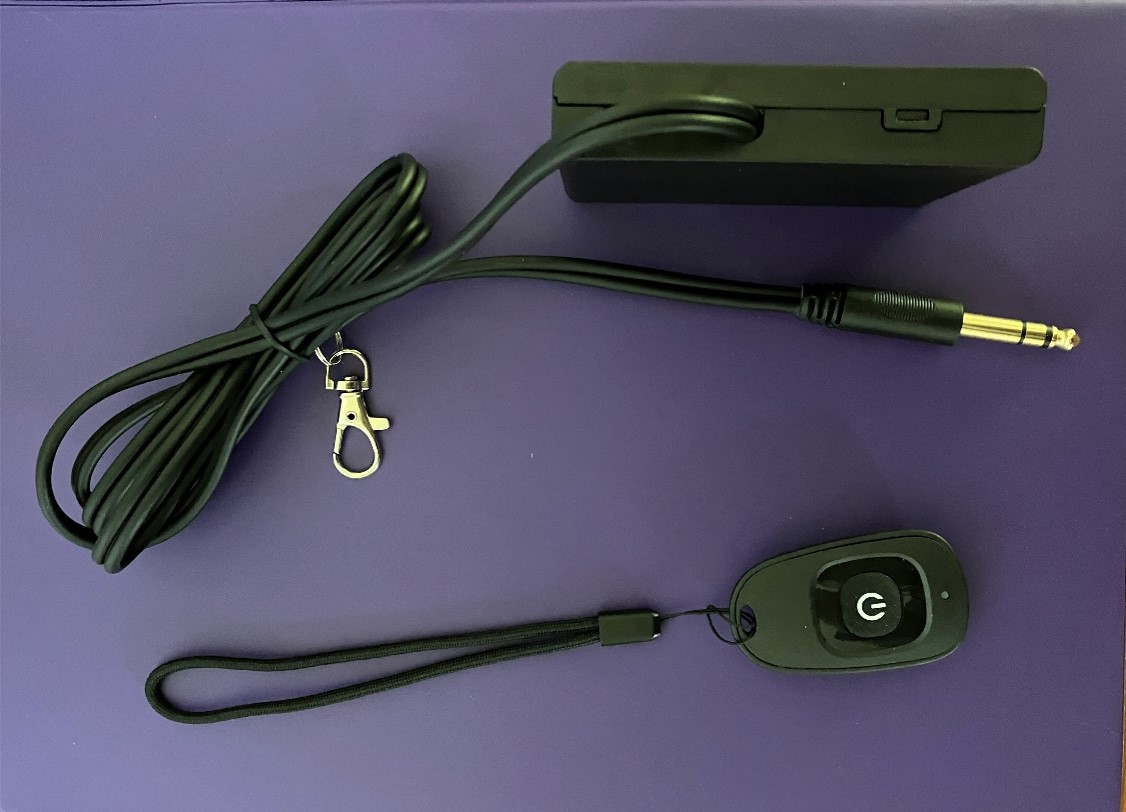
Wireless Traffic Control Pickle
Enhance traffic management at festivals, special events, parades, funeral processions, motorcades, stadium and game-day traffic, and collision or emergency scenes with our cutting-edge Wireless Traffic Control Pickle. This revolutionary device empowers law enforcement officers, public safety staff, and traffic operations personnel to manually control traffic lights at intersections with unmatched safety, flexibility, and discretion — replacing the traditional tethered pickle switch / manual advance cord that plugs into the police panel inside a traffic signal control cabinet.
Why Choose the Wireless Traffic Control Pickle?
Unlike traditional wired pickles, our wireless solution offers several key advantages:
- Unrestricted Mobility: No longer limited by cable lengths, officers can operate from any safe location within 100 yards and line of sight of the control box allowing them to find the optimal vantage point at any intersection.
- Enhanced Visibility: Position yourself where you have the best view of the entire intersection, ensuring better traffic flow management and quicker response times.
- Engage with the Public: The freedom to move around the scene means officers can interact with the public, providing assistance and information without compromising traffic control.
- Discreet Operation: The public is often unaware that the lights are being manually controlled, reducing the risk of confrontation and maintaining a calm environment.
Built for Standard Police Panels
The Wireless Pickle's receiver plugs into the same 1/4-inch phone plug jack used by a traditional manual advance cord. Most traffic signal control boxes use a 3-connector style jack, while a few use a 2-connector style — check which style your cabinets use here before ordering. Its discreet design and wireless capability make it an essential upgrade for any agency handling manual signal control on a regular basis.
Equipment Needed
- Wireless Pickle (remote transmitter and receiver)
- Traffic signal cabinet police access key (not included)

Locate Police Access Door and Insert Key

Identify Manual Cord Connection and Switch

Connect and Power On Receiver

Manual Traffic Signal Operation
- Once the panel switch is flipped to "Manual", the light will freeze in its current state.
- When the remote is activated, the traffic signal will advance to the next "stage". Activate the remote by briefly pressing and releasing the button on the remote controller.
Switch the Traffic Signal to "Auto" When Done

|
3-connector Price: $195.00
|
2-connector Price: $195.00
|
Manual traffic signal operation by authorized personnel is a long-established practice addressed in the Manual on Uniform Traffic Control Devices (MUTCD). The Wireless Pickle doesn't change any of that authority or process — it simply removes the physical cord.
Frequently Asked Questions
General Use & Authorization
Who is allowed to use the Wireless Traffic Control Pickle?
The device is intended for personnel who already have the authority to manually control traffic signals—typically police officers, public safety staff, or traffic operations personnel. No special certification is required beyond the authority your agency already grants for manual signal control.
Do I need approval from my police department or Department of Transportation before using it?
Policies vary by jurisdiction. Almost all departments treat wireless manual control the same as using a physical cable to place a signal into manual mode, but you should follow any existing general orders or DOT policies. When in doubt, check with your chain of command.
Who is liable if an accident occurs while the Wireless Pickle is in use?
The device does not change existing liability frameworks. Agencies that already have authority to manually control their own intersections retain the same responsibilities they would have when using any manual override method. Users should follow agency policies and established traffic control procedures.
Are other agencies already using the Wireless Pickle?
Yes. Multiple agencies use the Wireless Pickle for parades, emergency operations, special events, and road closures. References or general examples can be provided upon request.
Compatibility & Installation
How does the Wireless Pickle connect to a traffic signal?
The receiver connects inside the traffic controller cabinet using a standard 1/4-inch phone plug connector, commonly known as a "pickle switch" or manual control input. Once connected and switched to Manual mode, the signal responds to commands from the handheld transmitter.
Do I need a key to the traffic signal cabinet?
Yes. As with any manual override, authorized access to the cabinet is required for installation. The Wireless Pickle does not bypass cabinet security. If you do not have a key for your cabinets, they are readily available for purchase online at a cost that is typically around $25.00.
Do I need one wireless pickle for every traffic signal box I want to control?
Can I try the Wireless Pickle to make sure it works with our lights?
Yes. The system uses a widely supported manual-mode interface, and most agencies can test compatibility easily. Contact us if you want guidance or demo arrangements.
Operation, Range & Reliability
How far away can I stand while using the Wireless Pickle?
Typical real-world range is about 100 yards (300 feet) with a reasonable line of sight. While longer distances are possible, operators are typically well within this range for safe, effective traffic control.
What happens if an emergency vehicle with preemption technology (e.g. Opticom) approaches the intersection while the pickle is in use?
The preemption signal takes priority just as it does when the lights are operating in automatic mode. The lights return to manual operation after the emergency vehicle has passed through the intersection
What happens if there is an obstruction, dead battery, or wireless failure?
If the wireless link fails while the controller is in Manual mode, the signal will advance to the next stable state and remain there. Returning the Manual/Auto switch to Auto immediately restores normal programmed operation.
Is the device weather-resistant?
Yes. The receiver remains inside the protected controller cabinet. The handheld transmitter is reasonably resistant to rain and snow, although not formally IP-rated. Avoid submerging or leaving it in standing water.
Does the Wireless Pickle require maintenance?
No routine maintenance is needed beyond occasionally replacing the AA batteries in the handheld transmitter. The receiver has no moving parts.
Security & Interference
How secure is the wireless link? Can someone intercept or interfere with it?
The system utilizes a secure 433 MHz learning-code remote that works like a digital key. The receiver is specifically paired to its transmitter. Because unauthorized control requires physical access to the cabinet, external interference is highly unlikely.
Is there a risk that a member of the public could take control of the traffic lights?
No. The public cannot access the receiver inside the cabinet without authorization, and transmitters must be specially paired. Without physical access and pairing, no outside party can operate the device.
Can multiple Wireless Pickles operate near each other?
Yes. Each receiver pairs exclusively with its own transmitter. Multiple units can operate at adjacent intersections without causing interference.
Warranty, Cost & Policies
Are batteries included? What type does it use?
Yes. The kit includes four AA batteries for the handheld transmitter. They are user-replaceable and last for years under normal operation.
Are there any hidden fees or ongoing costs?
No. This is a one-time purchase. There are no subscriptions, service fees, or recurring costs.
Do you offer a warranty?
Yes. The Wireless Pickle includes a 1-year warranty covering defects in materials and workmanship.
What is your return policy?
We accept returns within 30 days. Please contact us for an RMA and details specific to your purchase.